The studio
A small workshop,
a narrow street,
a kiln that takes two days to cool.
Sorrel & Smoke began in 2019 with forty candles, a borrowed scale, and a room above a ceramics studio in Jingdezhen. We still work in small runs. The scale is better.
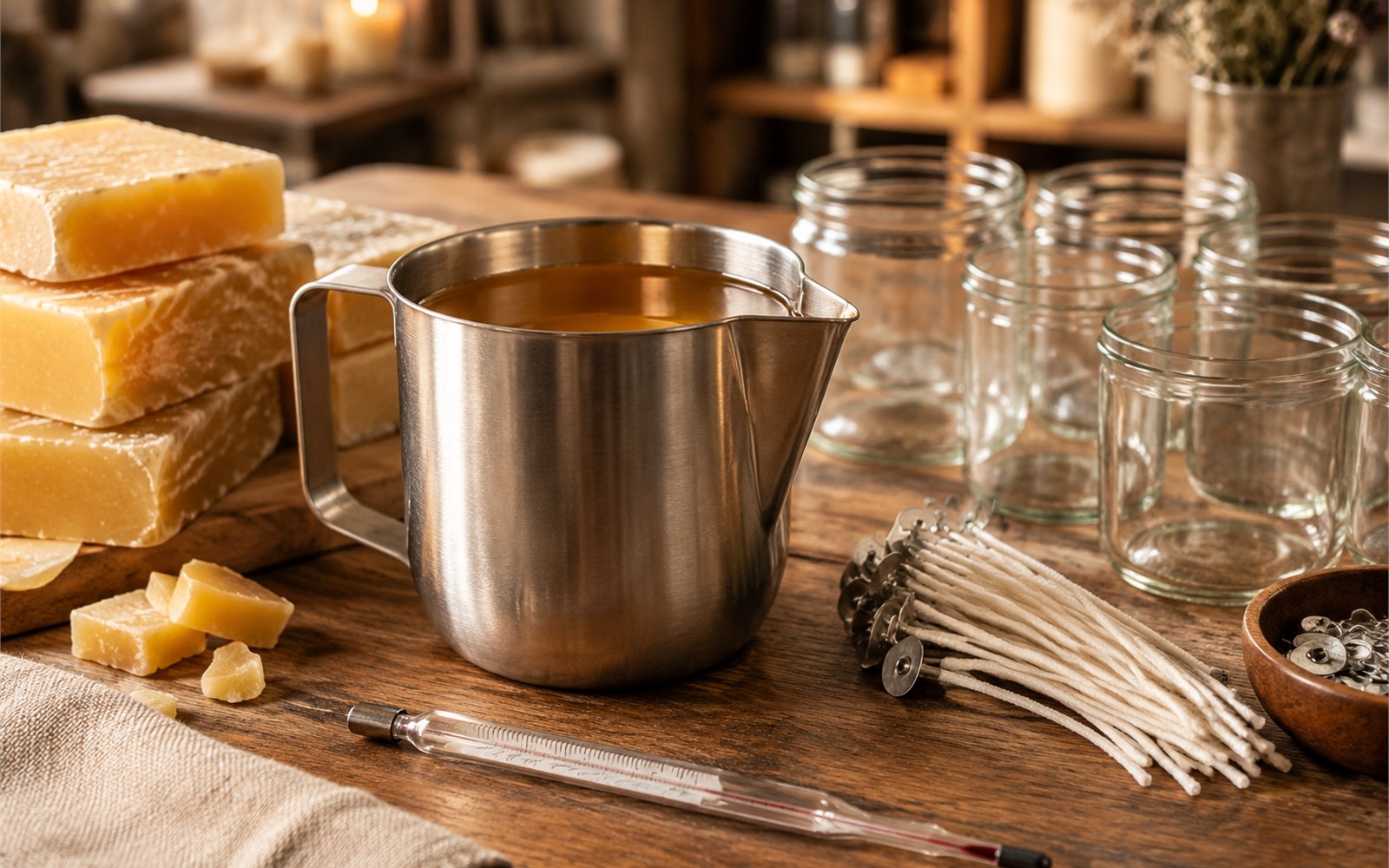
The workshop, Cihai Ceramic Art Zone. The kiln is at the back, behind the drying shelves.
The story
We started with a question that seemed simple: why do most candles smell like a department store rather than a room? The answer, it turned out, was mostly about quantity. More fragrance, more sweetness, more diffusion — a race to be noticed from the doorway.
We went the other way. A coconut–soy wax with a low, even burn. Fragrance at 8%, enough for the heart and base to read. Amber glass thick enough to keep the wax cool at the edges and plain enough to use afterwards. The first batch sold to a bookshop in Copenhagen and a hotel in Kyoto; we have been pouring ever since.
The ceramics came later, through the studio downstairs. We were buying cups to hold tea during long pouring days, and eventually asked whether we could make a small run of our own. The answer was a wood-fired cup with ash on one side and none on the other. We still sell that cup.
“The object should disappear into the evening. What remains is the room.”
Materials & process
Fewer materials,
used well
We keep the list short on purpose. Every material in a Sorrel & Smoke object is there because it does a job — and because we can explain where it came from.
- Coconut–soy wax
- A blend chosen for a clean, slow burn and a low melting point. No paraffin, no dyes, no synthetic hardeners. Poured at 62°C and cured for seven days before the wick is trimmed and the label applied.
- Fragrance at 8%
- Phthalate-free fragrance and essential oils, blended in the workshop. High enough for the base notes to last the evening; low enough that the candle does not become the only thing in the room.
- Jingdezhen stoneware
- Local clay, thrown and trimmed by hand, fired twice at 1280°C. Celadon glaze mixed from a studio recipe; ash glaze from the wood kiln. Sorted for soundness, not for identical surfaces.
- Paper, pulp, and cotton
- No plastic film, no foam. Candles travel in moulded pulp; ceramics in a double box with a pulp cradle; diffusers in a waxed stopper and a upright shell. The tissue and cotton pouches are unbleached and reusable.
Jingdezhen
A city that has been
making pots for a thousand years
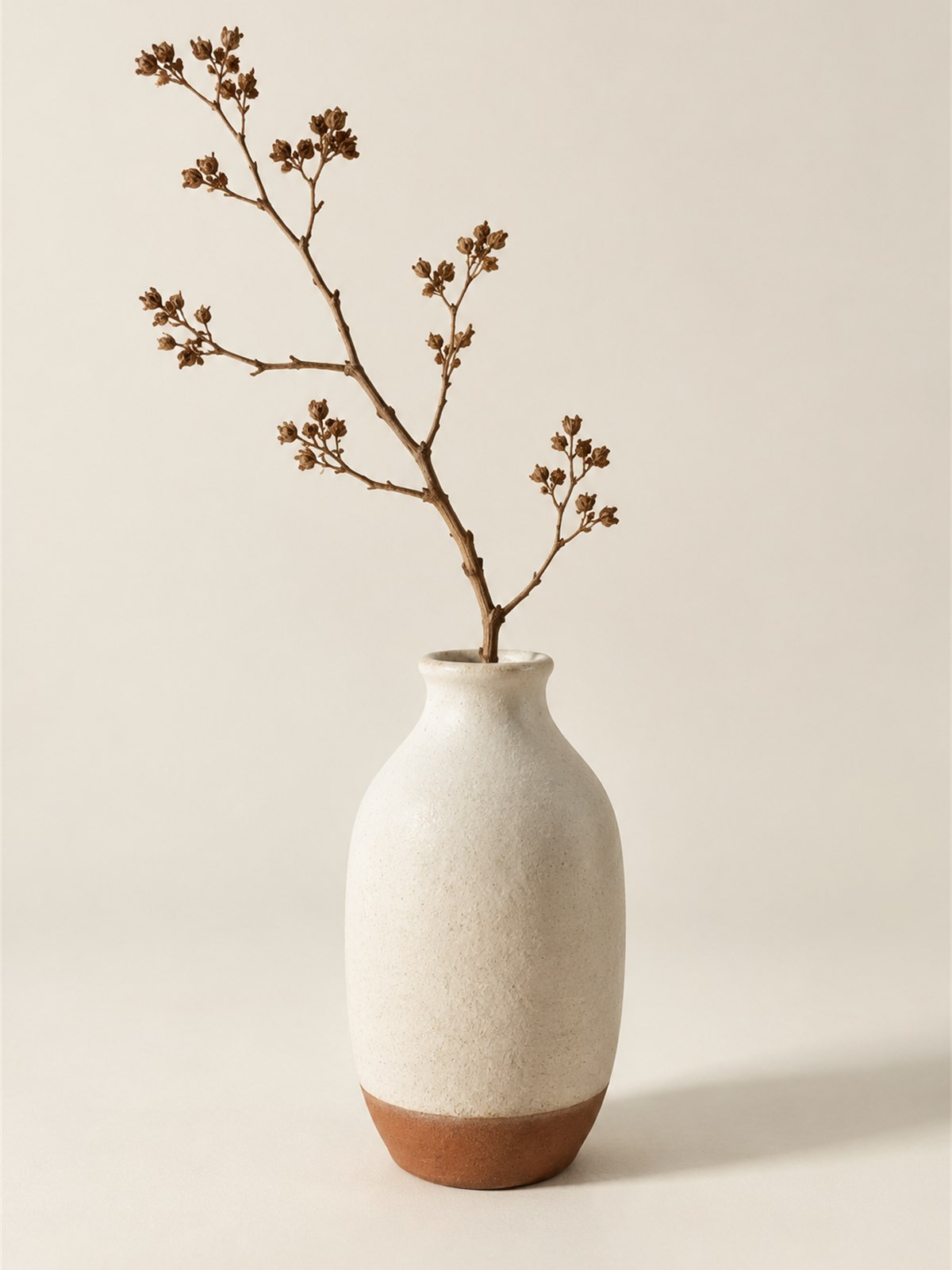
Jingdezhen has fired porcelain since the Song dynasty. The streets are lined with kilns, glaze shops, and workshops that sell nothing but brushes. It is a difficult place to make something badly — the standard is everywhere.
We work with a family studio in the hills outside the city. The clay is local, the celadon recipe is three generations old, and the wood kiln is lit twice a month. Our ceramics are made there, not in a factory with our name attached.
- Studio
- Cihai Ceramic Art Zone, Jingdezhen
- Partners
- A family kiln, 40 minutes east
Packaging & shipping
Everything can go
in the paper bin
We ship worldwide from one workshop, which means fewer miles and more careful packing. If something arrives broken, we replace it — no return required.
Shipping & returnsMoulded pulp
Made from recycled paper, shaped to the glass. It cushions without plastic and can be composted or recycled.
Unbleached tissue
Acid-free and undyed. Wrapped around every candle and cup, then sealed with a paper band printed in one colour.
Reusable cotton pouch
For candles and cups. Heavier than necessary, deliberately — it lasts longer than the object's journey.
Consolidated shipping
Orders leave twice a week, combined where possible. Complimentary over $150; a flat rate below that, shown at checkout.
We are not carbon neutral, and we do not claim to be. We offset the shipping we cannot avoid and publish the weight of every parcel in our annual note.
Read a little more, or take the scent test.